Governance and Anti-Corruption Capacity Development Programme | 13–14 October 2026
Good governance is not measured solely by the existence of policies and frameworks, but by the extent to which they shape decisions, strengthen accountability and guide institutional conduct.
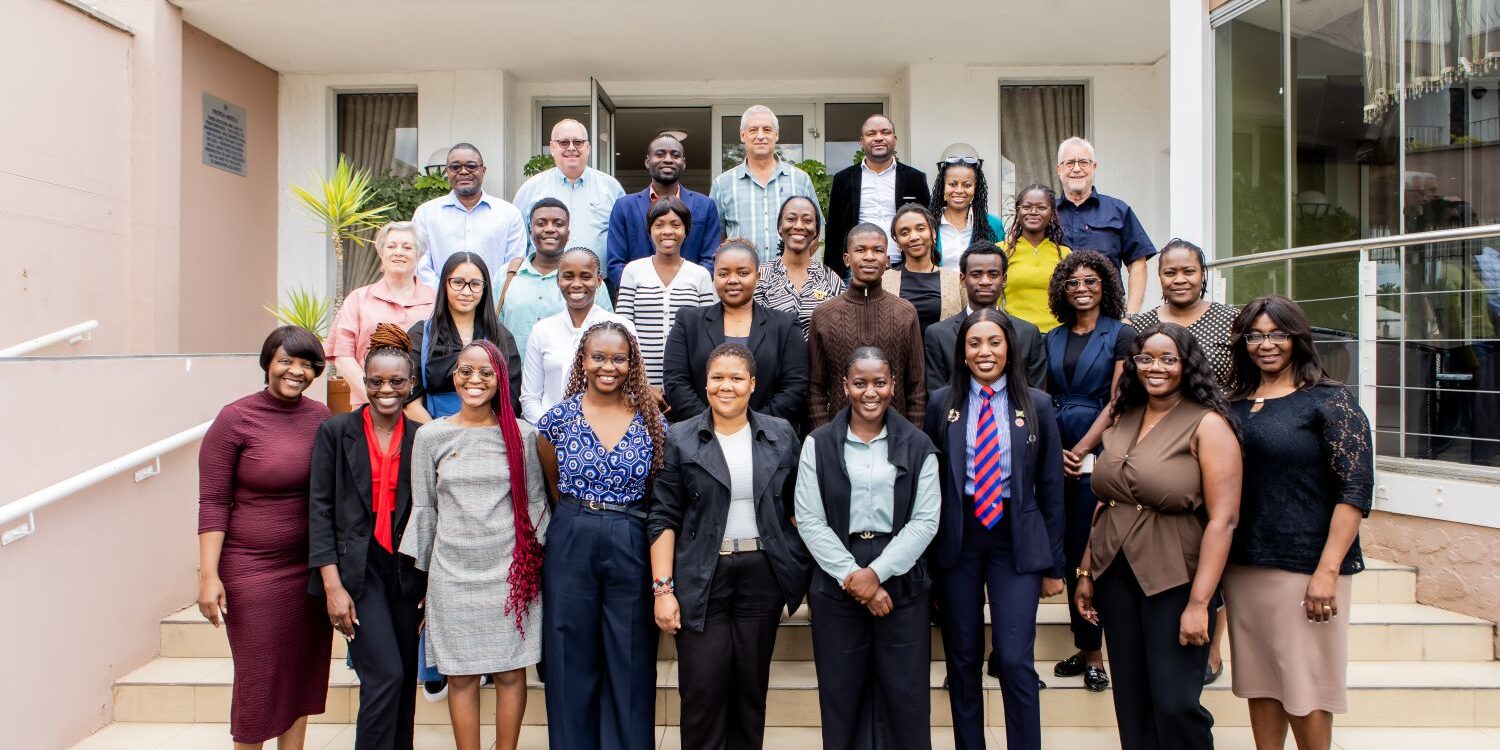
This principle was at the heart of the Governance and Anti-Corruption Capacity Development Programme hosted by the Namibia Institute of Corporate Governance (NICG) on 13–14 October 2026 at Protea Hotel Windhoek Fürstenhof.
The two-day training brought together 28 participants representing 19 Civil Society Organisations (CSOs) and Non-Profit Organisations (NPOs) from the Khomas Region, united by a common objective: strengthening governance practices and building organisations that operate with greater integrity, transparency and accountability.
Funded by the European Union (EU) through the United Nations Development Programme (UNDP) and implemented by NICG, the initiative recognises the important role civil society organisations play in advancing social development, representing communities and contributing to public accountability.
As these organisations pursue their respective mandates, sound governance structures and effective accountability mechanisms remain essential to their credibility, sustainability and institutional effectiveness.
Building the Foundations of Responsible Governance
The programme was designed to move beyond theoretical understanding, equipping participants with practical knowledge and tools to recognise governance weaknesses, strengthen internal systems and address risks that could undermine organisational effectiveness.
Facilitated by Edla Kaumbi and Gerrit Jordaan, the training explored key dimensions of organisational governance, including governance fundamentals, ethical leadership and integrity systems, governance risks and failures, internal controls and financial governance, fraud and corruption prevention, whistleblowing and reporting mechanisms, and transparency and stakeholder accountability.
The programme also featured a presentation by the Financial Intelligence Centre (FIC), providing participants with additional insights into financial integrity, compliance and the importance of preventing financial misconduct.
Throughout the sessions, participants were encouraged to reflect on their organisations’ existing practices and consider how governance principles could be translated into practical institutional improvements.
Positive Participant Feedback Reinforces the Value of Governance Training
Feedback received following the programme reflected strong appreciation for the relevance, quality and practical value of the training.
Participants particularly valued the programme’s practical approach, the expertise of the facilitators and the opportunity to deepen their understanding of governance responsibilities.
A participant highlighted the importance of understanding how appropriate organisational systems contribute to managing an NPO effectively and efficiently.
Similarly, another described the workshop as a valuable learning experience, particularly for newly established organisations seeking to build sound governance foundations.
Several participants indicated that the sessions had helped them identify areas within their organisations where stronger governance practices and accountability mechanisms could be introduced.
The contribution of the Financial Intelligence Centre was also positively received, with participants recognising the value of greater awareness of compliance obligations and financial integrity.
Beyond the knowledge gained, the training created an opportunity for representatives of different civil society organisations to exchange experiences, engage with governance practitioners and reflect on the shared responsibilities of ethical and accountable leadership.
The feedback reinforced the importance of providing practical governance capacity development opportunities that respond to the operational realities of civil society organisations.
Moving Beyond Training: The Implementation Phase Begins
While the two-day training marked an important milestone, it represents only the beginning of the programme’s broader capacity development journey.
Following the successful completion of the training, participating organisations have now entered an implementation and mentorship phase, designed to support the practical application of the knowledge and tools acquired.
Over the next 8–12 weeks, organisations will receive mentorship and implementation guidance to help them establish or strengthen appropriate governance structures, develop and finalise essential organisational policies, and address governance gaps identified within their institutions.
This phase will focus on translating the principles explored during training into tangible improvements, including the development of governance instruments such as board charters, codes of conduct, conflict-of-interest policies, risk registers and reporting mechanisms, according to each organisation’s needs.
By providing continued guidance beyond the classroom, the programme seeks to encourage institutional ownership of good governance practices and support organisations in building systems that remain effective long after the formal training has concluded.
Strengthening Civil Society Through Sustainable Governance
Civil society organisations play an important role in Namibia’s development landscape, often operating at the forefront of community advocacy, social inclusion and service delivery.
Their ability to fulfil these responsibilities effectively depends not only on the commitment of their leadership and members, but also on the integrity of the systems through which they operate.
The Governance and Anti-Corruption Capacity Development Programme reflects a commitment to making good governance principles accessible, practical and relevant across different types of organisations.
Through the support of the European Union and UNDP, the initiative provides an opportunity to strengthen institutional capacity among organisations whose work contributes to the well-being and development of communities.
As participating organisations progress through the mentorship phase, the emphasis will remain on practical application, institutional accountability and the development of governance practices that support long-term organisational effectiveness.
Ultimately, the success of the programme will be reflected not simply in the knowledge participants have acquired but in the governance structures they establish, the policies they implement and the culture of accountability they strengthen within their organisations.
The Governance and Anti-Corruption Capacity Development Programme is funded by the European Union through the United Nations Development Programme and implemented by the Namibia Institute of Corporate Governance (NICG).